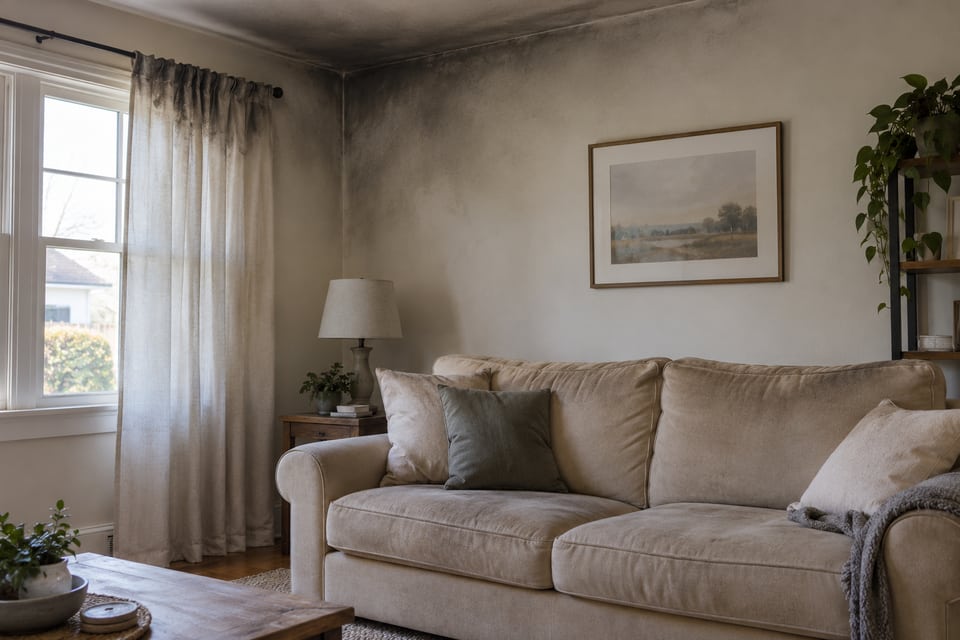
What if my rooms have been cleaned but odor remains near a shared hallway?
Record the location and timing of the odor and notify the person responsible for the shared area. Ask for the boundaries of the next review to be defined. Repeating a treatment inside your unit without addressing an unresolved neighboring or shared-space question may leave the cause undetermined.
What to establish first
Use a sketch or room list to show where the odor is noticed from areas you are permitted to occupy. Mark doors, interior rooms and the shared boundary only as reference points. Do not guess that air ducts, hidden soot or another unit caused it. A qualified review needs to support that claim.
Let management know if access to adjacent space is needed to answer the question. Include the dates and scope of any previous cleaning, with product names if available. That history shows the next person what was done. It also shows which areas the first contract left out.
Agree the cleanup scope
For a planned treatment, ask who will control access, which spaces must be vacant and how nearby people inside will be protected. These questions matter wherever units or common areas adjoin. Do not assume that closing an interior door resolves an exposure concern or gives you authority to treat a shared building space.
EPA explains that ozone treatment can create exposure risks and does not establish safety by odor alone. For ozone or any other specialist treatment, get the safety steps in writing. Ask the person in charge what must happen before anyone can return. A claim that equipment is simply “natural” or leaves a fresh smell does not answer those questions.
- Is the unresolved source within the approved scope?
- Who coordinates any shared-area access?
- What written conditions control occupancy during treatment?
Local checks and the next decision
North and South Hutchinson Island location names do not determine the building-permit office. If work grows into repairs or changes, check the address. Does it fall within Fort Pierce or the county outside city limits? A cosmetic odor treatment and opening a shared wall are not the same approval.
Use the follow-up review to compare the agreed scope with completed work and unresolved observations. Write down any smell that remains. Name the room or shared wall where it is noticed. Tell us about those limits on the call so the request can be framed accurately without promising a result from a second treatment.
www.slcfd.comU.S. Fire AdministrationSt. Lucie CountyCity of Fort PierceU.S. Environmental Protection Agency